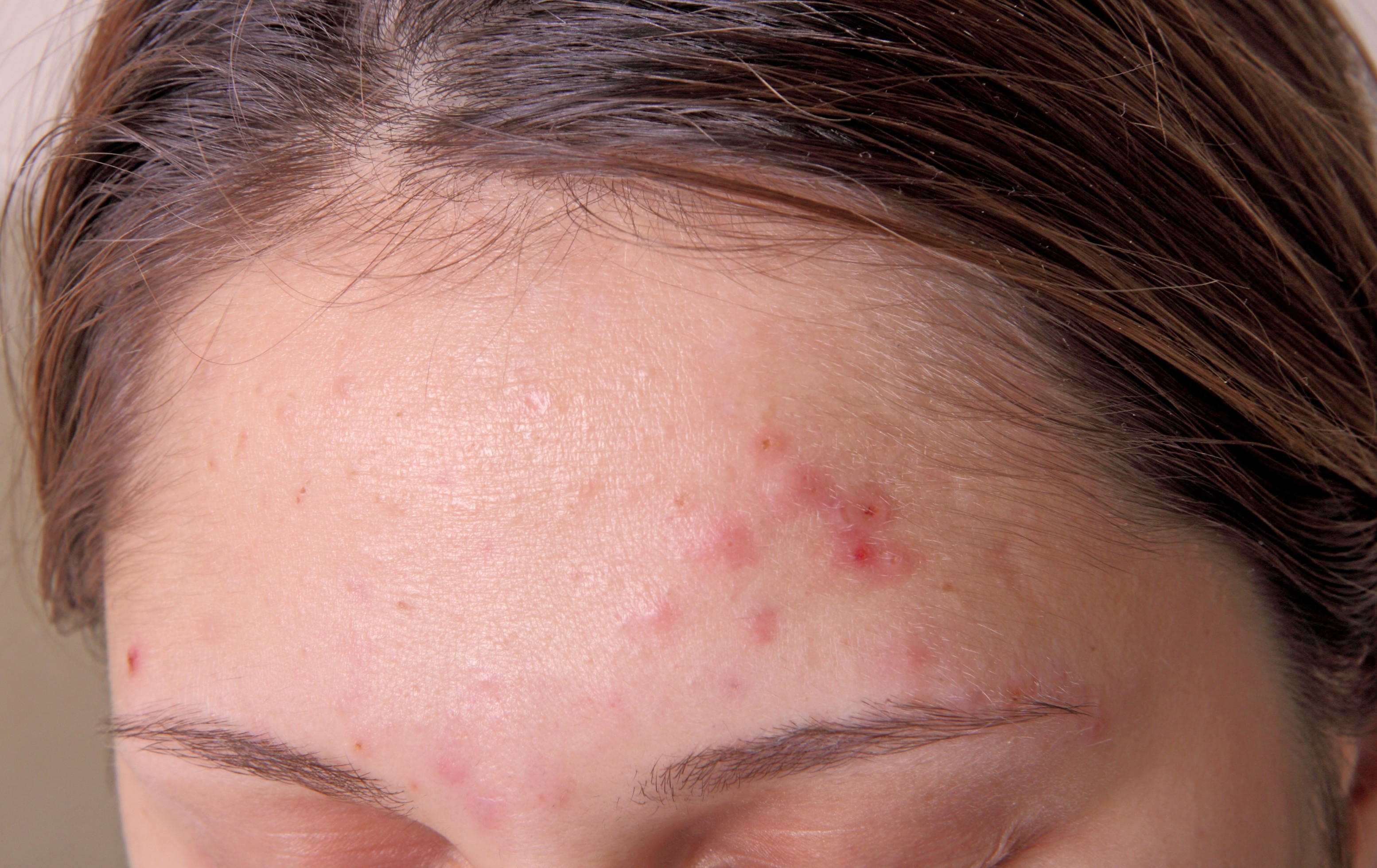
How extreme can dry skin get?
Dry skin may not be a serious issue initially but it may become chronic when you ignore it for too long and do not follow a proper skin care routine. Basic symptoms include feeling tightness on the skin, rough skin, itchiness, flaking, scaling and peeling of the skin’s surface etc. Sometimes using the wrong skin care products can cause more harm than good for dry skin on your face.If not taken proper care then this may lead to serious conditions:
- Eczema: It is a condition where patches of skin become inflamed, itchy, red, cracked and sore and often gets very painful if not treated quickly.
- Dermatitis: is the medical term for extreme dry skin. And there are several different types of it based on different situations and conditions.
- Infections: Infections dry, bleeding skin invites bacteria to enter the skin that leads to infections.
- Diabetes: Diabetes Risk sometimes high blood sugar (glucose) can lead to extremely dry skin. This should be diagnosed properly.
- Vitamin: Vitamin D and D3 deficiency vitamin D is crucial in maintaining the right balance of the tissue present on the skin. Same way Vitamin D3 is also associated with keeping the skin soft.
Is it necessary to see a dermatologist?
With proper care you should start feeling better. Some small steps like using a sunscreen with an SPF 30, making sure you apply a moisturizer, wearing gloves, using a lip balm and natural oil etc help soothe dry skin . But even after taking precautions if you still deal with this condition then you may want to see a dermatologist. Dry skin can be a sign for something serious and may require ointments and prescribed medicines. A dermatologist can examine your skin and prescribe medications that help with dry skin care.Prevention and treatment
Prevention and treatment for dry skin is through what you intake and the routine you follow. Some basics you can follow are:- Moisturizing: Moisturizing the skin using moisturizers create a seal on the skin that prevents moisture from escaping.
- Hydrating: Drinking plenty of water and having fruits and vegetables help to keep skin hydrated hence restoring all the water lost from the surface of the skin.
- Limit hot showers: showering in hot water is soothing but it should be limited to a small time and temperature. A quick warm shower is fine.
- Covering up: when going out, make sure you cover up your exposed skin during hot and cold climates.
Try CureSkin!
It is important to take medical help because only a doctor can evaluate your condition by looking at your skin type, lifestyle and diet and suggest what treatment you should take. Now you can avail professional help through CureSkin App. Skin specialists and expert Dermatologists suggest treatment regimen for all your skin and hair issues based on your skin type. These treatments are not only easy on the pocket but also effective to treat dry skin. On downloading the app, you will be asked a few questions regarding your skin condition and you will have to upload a picture of the same. You will then receive your regimen which will be delivered to your doorstep. Sit at the comfort of your home as you get your condition diagnosed and treated by experts. Click here to download the CureSkin app now!Q. How to treat dry skin naturally?
A. Using natural oils like coconut oil, aloe vera, or honey as part of your skincare routine can help soothe and hydrate dry skin without harsh chemicals.
Q. What is the best moisturizer for dry skin?
A. The best moisturizers for dry skin are those containing ingredients like hyaluronic acid, glycerin, ceramides, and natural oils such as shea butter or jojoba oil.
Q. What causes dry skin on face?
A. Dry skin on the face can be caused by environmental factors like cold weather, low humidity, harsh soaps, over-washing, and certain medical conditions such as eczema or psoriasis.
Q. What are the symptoms of dry skin and how is it treated?
A. Symptoms of dry skin include tightness, flaking, itching, and redness. Treatment involves using moisturizers, avoiding hot showers, and in severe cases, prescription medications.
Q. When should you see a dermatologist for dry skin?
A. You should see a dermatologist if your dry skin persists despite home care, is accompanied by severe itching or pain, shows signs of infection, or if you suspect an underlying condition like diabetes.
Q. Is there a connection between dry skin and diabetes?
A. Yes, high blood sugar levels in diabetes can lead to dry skin, as diabetes affects blood circulation and nerve function, which can reduce the skin’s ability to retain moisture.
Q. How can you prevent dry skin in winter?
A. To prevent dry skin in winter, use a humidifier indoors, apply moisturizer immediately after bathing, avoid long hot showers, and wear protective clothing when going outside in cold weather.
Q. What are some effective dry skin home remedies?
A. Effective home remedies for dry skin include applying aloe vera gel, using oatmeal baths, and creating a homemade moisturizer with honey and yogurt to soothe and hydrate the skin.
Q. dry skin symptoms and treatment
A. Symptoms of dry skin include tightness, flaking, itching, and redness. Treatment involves using moisturizers, staying hydrated, and avoiding hot showers. For severe cases, a dermatologist may prescribe medication.
Q. when to see a dermatologist for dry skin
A. You should see a dermatologist if your dry skin persists despite home care, is accompanied by severe itching or pain, shows signs of infection, or if you suspect an underlying condition like diabetes.
Q. dry skin and diabetes connection
A. There is a connection between dry skin and diabetes. High blood sugar levels can lead to dry skin, as diabetes affects blood circulation and nerve function, reducing the skin’s ability to retain moisture.
Q. how to prevent dry skin in winter
A. To prevent dry skin in winter, use a humidifier indoors, apply moisturizer immediately after bathing, avoid long hot showers, and wear protective clothing when going outside in cold weather.
Written by Dr. Charu Sharma — a dermatologist with over 20 years of clinical experience and qualifications from India, the UK, and the USA. She leads a team of 50+ dermatologists and has personally treated 12,000+ patients.
References